Homepage

Center for Ecological Regeneration

Committed to the just repair of God’s creation for the flourishing of all


Our Mission

To spread ecological theologies and earth-based religious practices aligned with Spirit for the just healing of the land in the Midwest bioregion and beyond.

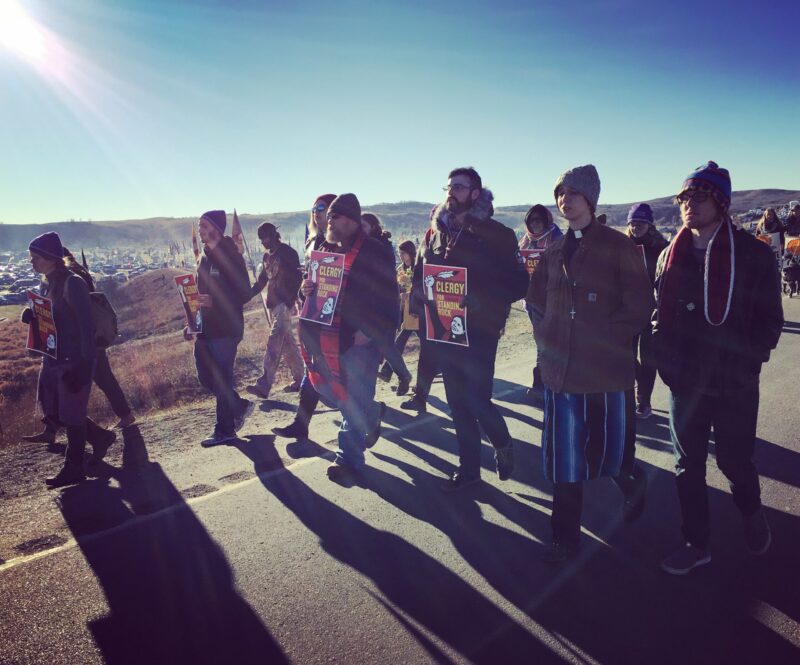
standing rock protest

Our Vision

A life-sustaining and just future for all places and peoples, including healthy soils, water, and air, a stable climate, and bio-diverse habitats, as well as reciprocal human cultures aligned with earth’s regenerative cycles.

buffalo

Learn More

We live in a time of accelerating planetary crises related to climate change, environmental degradation, and biodiversity loss. Although these crises ultimately threaten the wellbeing of all humans, they especially bear upon those already suffering from economic exploitation, racism, hetero-sexism, age discrimination, ableism, and related forms of social inequity.


The cultural roots of these entwined crises are many but include distorted theological understandings and religious practices that have contributed to and even justified social and environmental harm. As such, the work of justly transitioning toward more life-sustaining and democratic societies, institutions, and communities requires the contributions of both ecological theological perspectives and earth-based religious practices that foster healing solidarities among threatened humans, other-than-human creatures, and the earth systems that make up our planetary home.


The work of social and ecological repair is a global task requiring worldwide collaboration. At the same time, bioregional approaches that turn our attention to the local geographies and cultures in which we’re embedded can help ground our efforts in partnership with the particular places, institutions, and peoples of which we are members.


Garrett-Evangelical Theological Seminary is located on the campus of Northwestern University in Evanston, IL. The campus sits on the traditional homelands of the people of the Council of Three Fires, the Ojibwe, Potawatomi, and Odawa, as well as the Menominee, Miami, and Ho-Chunk nations. Garrett is an ecumenical Christian seminary of the United Methodist Church, historically embedded in the Chicago region, with longstanding denominational, interfaith, and public ties throughout the Midwest and beyond. The seminary’s placement just north of “Nature’s Metropolis” in the middle of North America focuses practical theological attention in our bioregion on a range of past and present socio-ecological injustices and reparative possibilities across urban, suburban, and rural landscapes related to food and agriculture, environmental justice, indigenous sovereignty, infrastructure and built environments, land use, energy, water, wildlife, and more.

Those seeking to realize the CER’s mission and vision are guided by the values & principles of:

  • Ecological wisdom (e.g. biocentric, animistic, kincentric, systems, land-based);
  • Earth-based practices (e.g. traditional ecological knowledge, regenerative agriculture and gardening, permaculture design, land conservationism, rewilding, sustainable living);
  • Christian, ecumenical, interfaith, and public collaboration with missionally aligned organizations, with a particular focus on Christian and Indigenous traditions and communities;
  • Cooperative, mutualistic relationships;
  • Generous, transparent, and direct communication;
  • Democratic governance and decision-making;
  • A spirit of generosity, integrity, and good will in interactions among internal and external partners;
  • Anti-oppressive, non-supremacist, and non-discriminatory logics, behavior, and advocacy.

Regeneration refers to the capacities of all life – human and more-than-human – to generate healing responses following occurrences of damage, disturbance, or degradation. To speak of ecological regeneration is to affirm both the possibility and the aim of actively participating in the repair of damaged landscapes, habitats, and earth systems. The term is increasingly prominent in environmental circles as a way of emphasizing the need to move our thinking and action beyond just sustainability (i.e. the preservation of the status quo) or even resilience (i.e. the capacity to endure and adapt amidst disruptions). In a time of widespread ecological damage, what’s required are responses that actively contribute to the healing of soils, watersheds, plant and animal life, ecosystems, and more through approaches like regenerative agriculture, regenerative cultures, and regenerative economies.


Regeneration is also a theological and spiritual term, associated with concepts like resurrection, revival, new creation, new birth, sanctification, and theosis or divinization. In fact, it’s central to Wesleyan-Methodist traditions, among others, and communicates trust in God’s capacities to bring about new life and new possibilities through the resurrecting energies of the Holy Spirit amidst the very worst of human sins that lead to estrangement, harm, and even death.


“I know of no restorative of heart, body, and soul more effective against hopelessness than the restoration of the earth.” – Barry Lopez


“If citizenship is a matter of shared beliefs, then I believe in the democracy of species. If citizenship means an oath of loyalty to a leader, then I choose the leader of the trees. If good citizens agree to uphold the laws of the nation, then I choose natural law, the law of reciprocity, of regeneration, of mutual flourishing.” – Robin Wall Kimmerer


“I am confident that the distinctive Wesleyan-Methodist mark of a holistic faith in the regenerative powers of God for new life is a theological, spiritual, and ecclesial gift we United Methodist Christians are particularly equipped to contribute in an age of profound environmental destruction.” – Timothy Eberhart


At the most basic level, being committed to the just repair of creation is intimately connected to the central mark of Christian discipleship, which is loving God with one’s whole life and loving one’s neighbor as oneself. To affirm that God is Creator necessarily calls for a basic reverence and respect for all that God has brought into being and called good. Additionally, we know that human life is sustained in and through intricate webs of soil, water, air, minerals, plants, animals, and more, and that to do harm to these interconnected webs is to do harm to human beings as well. It’s clear that the capacity of the good earth to sustain life, human or otherwise, is profoundly threatened. And at the moment, it is those already suffering under the burdens of injustice and inequity who have been and are suffering the worst effects – the world’s poor from so-called under-developed nations and rural communities and those who skin colors are darker hued, including indigenous peoples, women, children, and the elderly.


All of this has enormous implications for the shape of religious education and formation today. What does it look like to lead worship and preach about divine will in communities impacted by unprecedented flooding, wildfires, or other disasters? How do you offer pastoral care and counseling to climate refugees? What is the meaning of hope, of repentance, of conversion, of doing justice amidst what some scientists are calling the sixth great extinction event? We think it would be irresponsible as a seminary not to be responding faithfully with resources from the Christian tradition – theological, spiritual, communal, sacramental, practical – at such a time as this.


“We, as Christians, have a biblical mandate to protect this planet and protect our brothers and sisters who are suffering due to the ecological crisis facing our world. And the wonderful nature of this program is that it recognizes the theological perspective of the stewardship of our planet, and it recognizes the importance of teaching our students how to discuss these issues in theological terms.” – Robert K. Phillips (trustee)

Our religious traditions have a crucial role to play in the reparative work of transitioning toward a more life-sustaining and just future. In fact, a growing number in the scientific community are looking to the world’s religious traditions for moral leadership on issues of global environmental concern. It’s one thing to gather and interpret information about the state of the biosphere. It’s another to inspire people around a vision of the common good, to tap into deep motivations for personal and social change, to provide basic cultural frameworks of meaning and purpose, and to mobilize communities for widespread collective action.


At the same time, those of us who are stewards of a particular religious tradition bear the responsibility of examining how our theological/philosophical teachings, sacred symbols and metaphors, and religious practices have contributed to the ecological crises we are facing. For Christians, that means interrogating, for example, our most basic beliefs about divinity’s relationship to and presence in the world, about the meanings of sin and salvation, about what it means to be created in the image of God, and about the nature of following Jesus and walking in the Spirit. The problems we face are not primarily technological or scientific. They’re cultural, spiritual, moral, and formational, which is precisely why, amidst all of the many contributions that are required today, we’re going to need religious leaders equipped to cultivate and spread regenerative eco-theological perspectives, earthy spiritualities, and practical religious strategies for the just healing of the earth.


“Climate change is really much more of a human, cultural problem and less of a scientific problem. We have to change our behavior and our mindset if we are ever going to make the necessary changes.” – Joshua Richardson, Conservation Biologist, Ecological Regeneration concentration alum

Events from the Center for Ecological Regeneration

Upcoming Events

January 29, 2026

Midwinter Storying

March TBD

Kaitlin Curtice Storytelling

April 9, 2026

Climate Grief Café in Art Studio

April 18-19, 2026

Hennepin UMC/Midwest Bioregional Hub Celebration in Minneapolis

April 22, 2026

sustainGETS Chapel

May 17-22, 2026

Midwest Bioregional Hub Summit

April 2025

Evanston Environmental Justice Conversation Series

The keynote speaker was Maria Hadden. Maria Hadden, alderwoman of the 49th Ward, is the first Black, queer woman elected to Chicago City Council. A servant-leader with a background in community organizing and participatory democracy, Maria is an independent, progressive champion of the people in the City Council. She represents the 49th Ward – dubbed, “Little Chicago,” because of the racial, ethnic, and economic demographics that most reflect Chicago’s diversity. She serves as the Co-Chair of the Progressive Caucus and Chairwoman of the Committee on Environmental Protection and Energy. She is also a member of both the Aldermanic Black Caucus and the LGBTQ Caucus – the nation’s largest.


April 1-14, 2024

Artist-in-Residence: Madalene Big Bear

Madalene Big Bear (Bodwéwadmi) is a citizen of the Pokagon Band of Potawatomi Nation and a culture bearer who enjoys sharing her knowledge in many forms, including stories. Although entertaining, storytelling is also an important way to convey customs, language, history, and identity to descendants and those who are invited to listen. Madalene is also a respected Pokagon culture keeper. A talented professional and artist, she often teaches others about indigenous culture. Her areas of expertise include material culture, contemporary life ways, culinary traditions, art, and storytelling.


April 13, 2024

Evanston Environmental Justice Conversation Series

1:00 – 3:00 pm CST

Location: Fleetwood-Jourdain Community Center


The keynote speaker will be Cheryl Johnson from People for Community Recovery in Chicago followed by an intergenerational panel with Janet Alexander Davis, Co-chair Environmental Justice Evanston of Climate Action Evanston, Isabel Bernal, High School Student from Evanston Cradle to Career, and Nicole Hoskins, Assistant Professor at the University of Scranton and Garrett Scholar-In-Residence.


Centering the voices of leading Chicagoland environmental justice advocates, the Evanston Environmental Justice Conversation Series provides a biannual, accessible community forum fostering rich conversations between community members, environmental justice advocates, and civic, religious, and academic leaders from the Evanston community and beyond. The Series will focus on local and national issues shaping the contemporary struggle for environmental justice. It is made possible through a partnership between The Center for the Church and the Black Experience and the Stead Center for Ethics and Values at Garrett-Evangelical Theological Seminary and the Evanston/North Shore branch of the NAACP.


April 27, 2024

Northwestern’s NAISA 3rd Annual Traditional Spring Pow Wow- Honoring the Water


Welsh-Ryan Arena, 12pm-5pm general admission free

Stay Connected With Us!


By submitting this form, you are consenting to receive marketing emails from: . You can revoke your consent to receive emails at any time by using the SafeUnsubscribe® link, found at the bottom of every email. Emails are serviced by Constant Contact

Meet the CER Team


Director
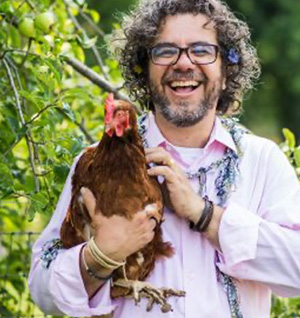
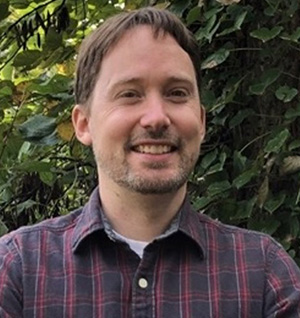
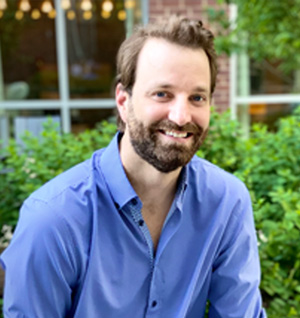
Tim Eberhart (he/him)
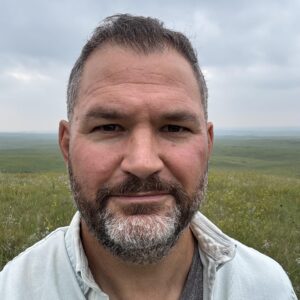
I was born and grew up in eastern South Dakota, on the Great Plains homeland of the Dakota, Lakota, and Nakota, the “Council of the Seven Fires” (Oceti Sakowin). I currently live with my family in St. Paul, MN, near the confluence of the Mississippi and Minnesota rivers (Bdóte) in a geographical region uniting boreal forest, oak savannah, temperate hardwood forest, and prairie ecosystems. The ethnic heritage of all 4 of my grandparents traces back many generations to the native homeland of the Suebi in southern Germany, who were known “by their worship of Nerthus, or Mother Earth, and by their belief that she intervenes in human affairs and [moves among] their peoples.” At the heart of my vocation – as a teacher, scholar, ordained UMC elder, systems designer, contemplative, human – is a call to support the deep transition of all human activities from patterns of life’s exploitative degradation to regenerative sustainment, in particular, through the reparative integration of Christian with earth-based cultural traditions. My hope for the Midwest Bioregional Hub and our curricular journey is that our shared learning and partnership will align us all more deeply with the Spirit’s groaning and laboring, in a time of such peril and opportunity, for the just healing of creation.


Associate Director
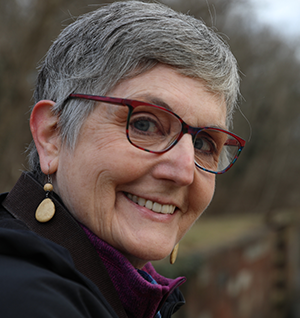
Geran Lorraine (they/them)
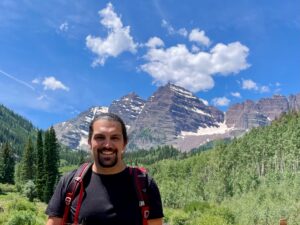
I was born on, and learned with, the Land of the Hodínöhšö:ni:h, specifically the Onödowá’ga:’ within neh Wahda’ (the Maple) nation. These lands and teachings root me in a responsibility to live for justice, renewal, and regeneration. My commitments as a scholar-activist are shaped by Indigenous, Black, and Queer thought, and by the conviction that “as we work to heal the earth, the earth heals us.” My work holds defiance of systems of domination alongside a resistance that makes space for relation, difference, and the flourishing of life.


As a non-binary writer and thinker, I work and write within the worlds of queer and trans joy, queer ecology, and the textures of everyday resistance. Much of my scholarship is braided with my poetry, where I follow the lines of kinship, fugitivity, and the small transformations that surface in the everyday. My three children and my partner — alongside the plants and more-than-human beings who surround us — remain my most insistent teachers in how healing and transformation take shape across our lived worlds.


sustainGETS Student Leader
Praveen Raj (he/him)
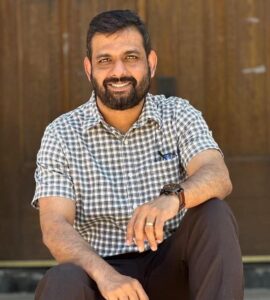
I am from Kerala, India. My roots are embedded in a land of colonial imprints. During the eighteenth and nineteenth centuries, my ancestors in South Travancore, Kerala, in India, traditionally called Shaanars, now known as Nadars, endured a cruel caste system. This was because Shaanars were positioned low in the caste hierarchy that existed in South Travancore. They were forced to work as enslaved people in the estates of high-caste feudal landowners. My forefathers and mothers did not even have the right to wear upper clothing. My ancestors’ traditional occupations were palmyra climbing, jaggery making, and toddy tapping. The Shaanars’ animist religious practices and their daily struggles for existence were related to planet Earth.


I realized that my ancestor’s lifestyle and religious practices are the potential resources to combat current ecological challenges. So, my further research seeks to recover an earth-centered spirituality, an account that the dominant force of Eurocentric Christianity has obscured. I shall explore a pluralistic manner of liturgical elements from ethnocultural minority cultures to which my ancestral root belongs.


Further, the CER supports my mission to reclaim the Indigenous spirituality of my ancestors that was suppressed by Eurocentric Christianity by advancing regenerative eco-theological understandings and earth-based religious practices.


CER Scholar
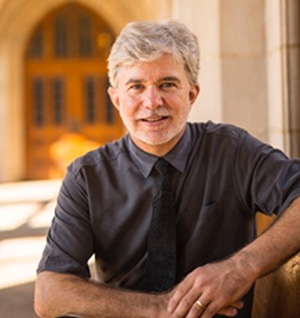
Daniel Cobb (he/him)

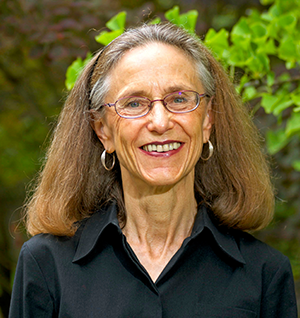
I was born in Illinois and raised in small towns in northwestern Iowa and southcentral Pennsylvania. I can’t really remember when I haven’t been interested in history, and it wasn’t a difficult decision to declare a History major during my first year at Messiah College (now Messiah University) in Grantham, Pennsylvania. From there, I went to the University of Wyoming in 1996, where I earned an M.A. in History, and then to the University of Oklahoma in 1998. Upon completing my Ph.D. in History, with specializations in American Indian and United States history in 2003, I became the Assistant Director of the D’Arcy McNickle Center for American Indian and Indigenous Studies at the Newberry Library in Chicago. The following year, I joined the History Department at Miami University in Oxford, Ohio, and in 2010, I accepted a position in American Studies at the University of North Carolina at Chapel Hill. Along the way, I served as Fulbright Bicentennial Distinguished Chair in American Studies at the University of Helsinki (2017-2018) and Visiting Researcher at the University of Tübingen in Germany ( May-July 2019). My publications include Beyond Red Power (2007), Native Activism in Cold War America (2008), Say We Are Nations (2015), and numerous chapters in edited volumes and articles in peer-reviewed journals. My passion for public-facing scholarship can be found in my Great Courses devoted to Native North America, which was produced in partnership with the Teaching Company and the Smithsonian’s National Museum of American Indian History (2016), public programs and exhibitions devoted to American Indian activism, activists, and memory, and an ongoing digital project inspired by the diary of Flathead writer and intellectual D’Arcy McNickle.


I have felt the call to ministry time and again over the course of my life. And in 2025, I became Professor Emeritus of American Studies at the University of North Carolina at Chapel Hill so that I could enroll full-time at Garrett, where I am now pursuing my M.Div. and ordination in the United Methodist Church. I will be the sixth consecutive generation in my family to be ordained in the Methodist Church—and the second to have earned their M.Div at Garrett. What motivates and inspires me is the desire to “become a servant leader who ministers through radical theological imagination” to address problems in the Church and world by cultivating communities of care and common purpose, understanding the experiential worlds of others on their own terms, advocating for social and economic justice; working toward reconciliation and repair; and embracing decoloniality and pluriversality. It’s an honor and privilege to engage in precisely this kind of a work as a Center for Ecological Regeneration Scholar.


Midwest Bioregional Hub Assistant
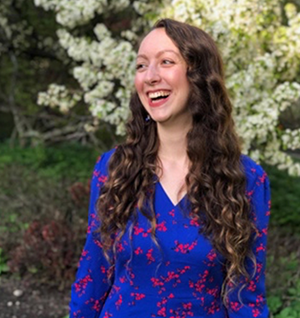
Kristina Sinks (she/her)
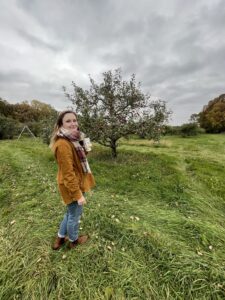
I was born and raised in the Santa Clara Valley in California, the homelands of the Tamien Nation, Ohlone, and Muwekma peoples, later colonized by Spanish missionaries, and today a hub of technological innovation. I am a German American by cultural heritage and nationality, and my ancestors immigrated to the US from various areas in Europe. Growing up in an area with a confluence of histories of extraction, wealth disparity, and cultural diversity, I became increasingly aware of social injustices through involvement in my local United Methodist Church. I followed a call to address these injustices by studying Public Ministry (focusing on Ecological Regeneration and Worship Arts) at Garrett and became an Ordained Deacon in the UMC. I mostly spend my time serving at GreenFaith, a global, multi-faith climate justice organization, and singing and managing tours for the justice-oriented music collective The Many. I also develop worship resources for the United Methodist Creation Justice Movement. and advocate for peace in Palestine and the full inclusion of LGBTIA+ folx in the church. I live in the Chicago area on the traditional, unceded homelands of the Council of Three Fires—the Ojibwe, Ottawa and Potawatomi—with my fiancée, Rev. Abby Holcombe, and beloved puppy Habibi.

The Center for Ecological Regeneration is what we need in every seminary. Unless we change our ways of thinking and living with the earth there will be no future for us. Timothy Eberhart is the right person to lead this Center. We will be blessed, that I am sure.


Cláudio Carvalhaes, Associate Professor of Worship, Union Theological Seminary

If what exploits people is what exploits the planet, theology needs to engage both ecological and economic justice if it wants to honor God and God’s creation. The new Center for Ecological Regeneration and Timothy Eberhart in the McClean Chair in Ecological Theology and Practice are welcome partners in what is at the heart of the mission of the church in the twenty-first century.


Joerg Rieger, Distinguished Professor of Theology, Cal Turner Chancellor’s Chair in Wesleyan Studies, and Director of the Wendland-Cook Program in Religion and Justice, Vanderbilt University Divinity School

The Center for Ecological Regeneration will make important contributions to the flourishing of our shared planetary future. We welcome this new initiative with great joy and deep gratitude.


Mary Evelyn Tucker and John Grim, Co-directors, Yale Forum on Religion and Ecology

The earth now hears the grateful song; the hills are now clothed with gladness! Let all voices unwearied rise in thanksgiving for this auspicious, new gospel work coming forth from just, visionary leaders at Garrett-Evangelical Theological Seminary. Praise God from whom all blessings flow!


Angela Cowser, Associate Dean of Black Church Studies and Doctor of Ministry Programs, Associate Professor of Black Church Studies, Louisville Presbyterian Theological Seminary

I am filled with hope for the Center’s mission to renew our relationships with the land and with one another, and it is of special significance that those undertaking this work see it as foundational to their theological understandings and commitments to holistic justice and community action. I share support and encouragement for the Center as they unite diverse expressions of spiritual and ecological connectedness in a common vision for healing our earth.


Claire Bjork, Earth Partnership/Indigenous Arts and Sciences and the Caring for Common Ground Initiative

The Center for Ecological Regeneration meets a desperate need for an alternative story for the sake of ecological justice, one that respects the multiple ecological relationships that form a regenerative interconnected web of life.


Reverend Dr. Upolu Luma Vaai, Principal and Head of Theology and Ethics, Pacific Theological College, Suva, Fiji

The holistic vision and work of the Center for Ecological Regeneration is precisely what is needed to face planetary problems like climate change and environmental racism. This approach of social healing, ecological teaching, intersectional organizing, and liberative spirituality is blazing a path for hopeful discipleship today


Dr. T. Wilson Dickinson, Director of The Green Good News and Director of Doctor of Ministry Program, Lexington Theological Seminary

The Center for Ecological Generations is exactly what the world needs right now, and what an absolute privilege and pleasure it is to have it here in Evanston!


Rachel Rosner, Board President, Citizens’ Greener Evanston, Program Consultant, It’s Our Future, a program of Seven Generations Ahead

I cannot think of more pressing justice issues than the intertwined human and environmental crises created by climate change and biodiversity loss. The Center for Ecological Regeneration is providing individuals with the knowledge and skills to understand the depth of these challenges, while creating visionary leaders with the compassion necessary to engage the physical, emotional, psychological, and spiritual suffering of this age. This Center is both revolutionary and absolutely necessary.


Joshua Richardson, Executive Director, Brugmansia Ministries, MA in Public Ministry, Ecological Regeneration Concentration, Garrett-Evangelical Theological Seminary ’20

As a friend of and collaborator with Garrett, I’m grateful for and warmly supportive of the inauguration of the Center for Ecological Regeneration and the McClean Chair in Ecological Theology and Practice. Both are the fruit of local, regional and national organizing and engagement, and will in turn provide soil and seed for further personal and institutional commitments to watershed justice and restorative solidarity. I am grateful for how Garrett is nurturing deep discipleship formation and praxis at the intersection of seminary, sanctuary, streets and soil in our fraught times.


Ched Myers, Bartimaeus Cooperative Ministries

In a time when people of faith need to boldly claim a better world without fossil fuels, we need a place like the Center for Ecological Regeneration. We need to reconnect with our faith and with the places we call home – and then we need to work for the flourishing of all creation, with justice and care.


rev. abby mohaupt, Director for the Garrett Collective and former Director of Education and Training, GreenFaith

The Center for Ecological Regeneration could not have been launched at a more critical time for our shared home. We at Faith in Place are thrilled to see this inspiring effort take shape, and look forward to working with Dr. Eberhart and the Center in our common struggle for healthy, equitable, and more resilient communities.


Rev. Brian Sauder, President and Executive Director, Faith in Place

The Center for Ecological Regeneration will equip future leaders of the Church to call on the moral resources and traditions of our faith to foster courageous solutions to the climate crisis that support flourishing for all people. This work builds on Garrett’s longstanding commitment to environmental, social, and economic justice as a faithful response to the Gospel of Jesus.


Lizzy Case, Founder of Arrayed, MTS, Garrett-Evangelical Theological Seminary ’16

I am thrilled to hear of the formation of the Garrett Center for Ecological Regeneration and the installation of Dr. Eberhart as the first McClean Chair in Ecological Theology and Practice. This new center builds on Garrett Seminary’s demonstrated experience in integrating ecological theology, spirituality, and practice, and is well-positioned to make a significant contribution in renewing our collective commitment to both Earth and Spirit.


Beth Norcross, Executive Director, The Center for Spirituality in Nature

The Center for Ecological Regeneration is a bold and necessary step for Garrett-Evangelical Theological Seminary and, indeed, the future of theological education. At this kairos moment, where the future of our shared earth home hangs in the balance, the Center’s commitment to holistic leadership development, dedication to intersectional justice, and devotion to the Divine call to regeneration and healing is truly good news.


Audra Hudson, Pastor and Executive Director, Wesley Foundation at Central Michigan University, MA in Public Ministry, Ecological Regeneration Concentration, Garrett-Evangelical Theological Seminary ’20

The Center for Ecological Regeneration is a creative and life-giving initiative well poised to cultivate moral-spiritual power for meeting the great moral challenge facing humankind in our time — forging more equitable and life-sustaining ways of living together in God’s good garden Earth. The Great Spirit must be smiling at the birth of this vitally important venture and the able leadership of Timothy Eberhart.


Cynthia Moe-Lobeda, Professor of Theological and Social Ethics at Pacific Lutheran Theological Seminary (PLTS), Church Divinity School of the Pacific, and Graduate Theological Union and Founding Director of the Center for Climate Justice and Faith, PLTS

My passion for the Gospel of Jesus Christ burns most brightly at the intersection between theology and ecology. Dr. Eberhart’s open-hearted leadership helped me to cultivate an idea that has become foundational to my ministry: the patterns and practices that heal an ecological system will also heal a congregation.


Rev. Jake Ohlemiller, Lead Pastor, Grace United Methodist Church, Lafayette, IN, MDiv., Garrett-Evangelical Theological Seminary ‘15

The Ecological Regeneration concentration acknowledges the agency of the earth as a critical partner in the work of the Church. It has trained my ear to hear the cries of the earth and my neighbor, to see and acknowledge their sufferings, and to join with compassion rooted in profound hope in the reparative work of creation justice.


Kiera Lane, MA in Public Ministry Student, Ecological Regeneration Concentration, 2022

Studying in the Ecological Regeneration Concentration has completely re-oriented my faith towards the understanding that creation justice must be central to all of our work and focus moving forward. The Center for Ecological Regeneration equips leaders in the church and the world to root their various endeavors in care for the earth, knowing that none of our other work will matter if it doesn’t include creation justice.


Kristina Sinks, MA in Public Ministry, Worship and Liturgical Arts Concentration, Garrett-Evangelical Theological Seminary, ’22

The Center for Ecological Regeneration has been both practical and prophetic. As an artist, activist, minister, and mother, I am inspired by encountering the wealth of accessible knowledge that exists here. I am forever transformed by the resources and academic content embedded in this liberative education of earth and human body, in chorus with their spirits as they praise the One who creates and has the power to sustain.


LaSheena Williams, MDiv., MA in Public Ministry, Ecowomanist Concentration, International Artist, and Founder and Executive Director of Sheen Creations Theater Company