The Christian Theological Studies certificate at Garrett Seminary allows students to root themselves in the foundation of Christian theology, hermeneutics, and Christian traditions in a global context. Students can transfer these courses into a degree program if they decide to pursue a Masters at the conclusion of their certificate studies. This is also a great next step for students who have completed the Laity Discernment Cohort at Garrett and who could use more time in discernment and study.
The Christian Theological Studies certificate creates a pathway into learning for students pursuing a wide variety of vocational outcomes. Ordained or lay, academic or ministerial, within the Church or beyond it. However you enter this community, you are welcome here!
The Certificate in Christian Theological Studies is a 15 credit hour program with the following required courses:
Introduction to the texts of the Hebrew Scriptures–Torah, Prophets, and Writings–with emphasis on the order and contents, cultural settings, literary forms, religious themes, and interpretive approaches.
Introduction to the 27 New Testament documents in the light of historical-critical methodologies and more recent theories of interpretation, paying attention to background and content of these documents, principles of exegesis, and hermeneutical implications to the modern world.
History of Christian Thought & Practice I
This course is a survey of the history of the Christian religion, as expressed in the historic universal Church, including its doctrines and practices, from the beginning into the middle ages (from Jesus to Aquinas). Special emphasis is given to the first five centuries, in which the important doctrines, practices, and traditions of the faith developed. After the schism between east and west (1054) the course will focus more on the western Church.
History of Christian Thought & Practice II
This course will introduce the relatively recent history of Christianity, from the late Middle Ages (beginning around 1500) to the present time. This course will help students better understand the various streams of modern Christianity and how they have shaped both the Church and society.
This course will engage students in an exploration of their implicit theologies, traditions of the Church, and several theological methods with the goal of enabling them to become reflective theologians in multiple contexts.
The course offers an introduction to Christianity as a truly worldwide movement today. We study factors that contributed to and sustain Christianity’s current shape, reach, and impact and examine key cultural, ethical, interreligious, and theological challenges facing mission and ministry in a world church




As a teacher, I try to help my students become aware of the stake they have in the questions raised by theology and the responsibility they have to develop their own theology as best they can. I work to give them elements so that they can respond theologically to the questions they will come across. There is a sense in which every Christian is a theologian, and so I hope to help my students become the best theologians that they can in the context of their particular calling.
Georgia Harkness Professor of Theology

I love teaching evangelism. Church leaders are often bombarded with material that hints it is only by human effort the church will be effective. The study of evangelism starts with the assumption that God is active, and that our efforts are only to participate in what God is already doing. Our job is not to generate a mission, but to look to God through Jesus Christ in the power of the Holy Spirit, expecting miraculous power to burst forth as God moves to accomplish God’s purpose—the redemption of all creation!
E. Stanley Jones Professor of Evangelism
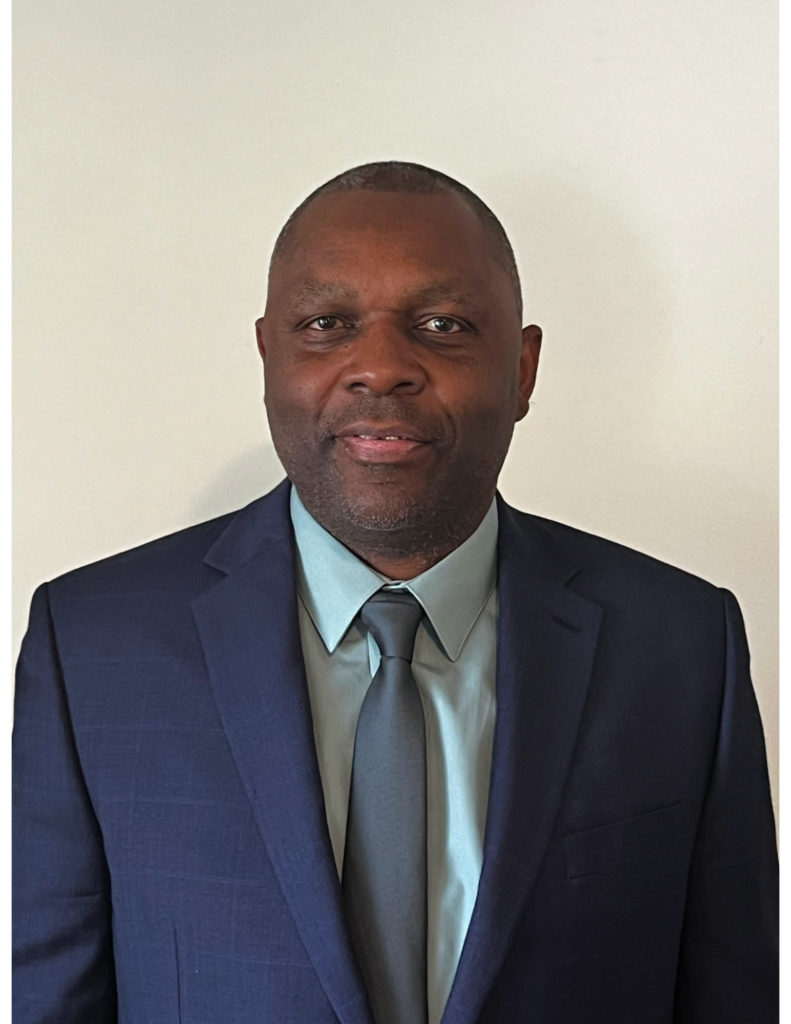
For me, the “Bible” and “Africa” are two powerful legions that have shaped my personal and professional lives. But more than me, these two legions have given so much to the world in the form of culture, spirituality, faith, epistemology, tradition and innovation, etc. These two legions have tangled with colonialism, patriarchy, economic exploitation, and imperialism – sometimes colluding with those oppressive systems and other times working hard to break free.
Donald J. Casper Professor of Hebrew Bible and African Biblical Hermeneutics

In my courses, I want students to appreciate the past as something that is both distant from us and always with us. I want them to experience historical Christianity as a living, breathing, on-the-ground phenomenon. I want them to interpret historical contexts and empathize with historical figures, just as they will interpret the particular contexts of their ministries and empathize with the unique people they serve.
Associate Professor of Reformation Church History

My vocation as a biblical scholar stems from and reflects my intersectional identity as a Korean-Filipino missionary kid who grew up in the Philippines. Worshipping in Tagalog, Korean, and English-speaking congregations drew me towards ordination in The United Methodist Church where I continue to transgress and traverse multicultural assemblages.
Associate Professor of New Testament Interpretation