The Religion and Global Health Forum (RGHF) examines the historical and contemporary relation between religion and wholistic health. The Forum assumes that religion – broadly defined – is a social determinant of health (SDOH) and plays a major role in individual and communal approaches to health in local and global settings: how people and communities understand life fully lived, process sickness and fight disease and dis-ease; why people access conventional and non-conventional healthcare practices and procedures; how individuals and communities cope with collective trauma and build hope; and how people create, understand, and administer integrated healthcare systems for human and environmental flourishing.
The Forum partners with religious leaders, clergy, scientists, medical practitioners, writers, poets, educators, counselors, and researchers in the fields of medical, social, political, and environmental sciences, to address the medical, human, cultural, spiritual, financial, and technological/digital dimensions of disease and dis-ease, address gaps in healthcare delivery, overcome inequities in care access, and accelerate personal-and-community-empowered wholistic healthcare and quality of life.
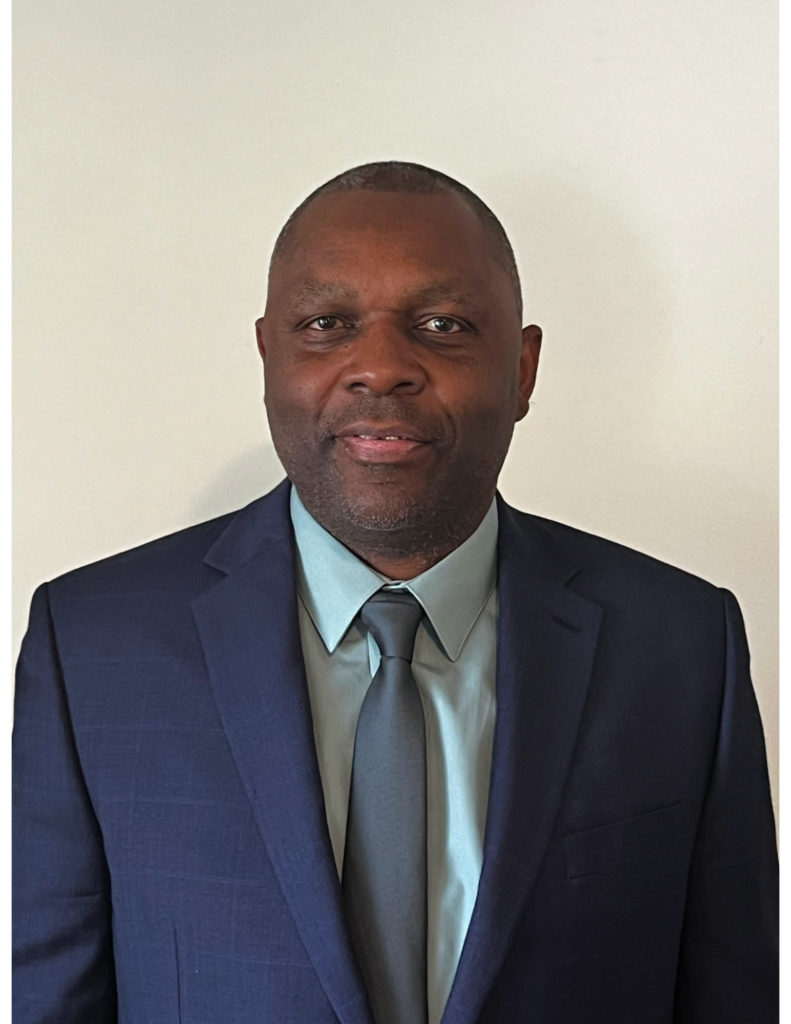
Dr. Kenneth Ngwa is the Donald J. Casper Professor of Hebrew Bible and African Biblical Hermeneutics; Director of the Religion and Global Health Forum. Born in Cameroon, Dr. Ngwa brings particular focus in African theologies and hermeneutics.
Whole Person Health is an interdisciplinary approach to health that emphasizes the relation between the treatment of specific body organs and the health of the whole person (Body, Mind, Spirit).
Whole Person Health engages the person in the community and addresses the social determinants of health (SDOH) for persons and communities.
Whole Person Health builds on existing health-related work and research on pathogenesis (the cause of disease) and salutogenesis (the origin of health) through the lens of whole persons, not just body parts.
Whole Person Health work emphasizes the importance of education in advancing disease prevention, treatment, survival, building workforce capacity, and flourishing.