


Homepage

Foundations of Methodist Ministry

United Methodist students who are looking for further resourcing above and beyond “The Basic Christian Tradition” certificate, can stack the “Foundations of Methodist Ministry” certificate. The combination of these two certificates meets the requirements for Basic Graduate Theological Studies or Advanced Course of Study.


United Methodist Students can also take the “Foundations of Methodist Ministry” certificate in isolation from other coursework. This can help students attain a formal Methodist certification as they prepare for ministry or further theological study in Methodist affiliated contexts.

Course Requirements

The Foundations of Methodist Ministry is a 15 credit hour program with the following required courses:

United Methodist Worship: Theory & Practice

Survey of the ritual and resources provided for United Methodist worship and their theology of worship. Development of skills in the design and leadership of worship.


Worship in Ecumenical Perspective

An examination of the importance of worship in the work of the minister and congregation. Increasing competence in the understanding, theology, planning, and leadership of worship.

Theology of Evangelism

This course equips students to synthesize their personal experiences of God’s goodness with contextual awareness, various theological perspectives, and biblical teachings to develop creative practices of evangelism that are true to their personal faith.


Empowering Congregations for Evangelism

Study of the role of the pastor and church leaders in discipling the congregation and motivating and training the laity in faith-sharing outreach ministries.

The foundational contribution of John Wesley to the history, doctrine, and polity of Methodism. The Methodist tradition in the U.S. through the 19th century.

Developments within United Methodism, as related to the ecumenical movement, world mission, personal evangelism, and social justice. Evolution of polity, theology, and denominational structure.

Meet Our Foundations of Methodist Ministry Faculty

I love teaching evangelism. Church leaders are often bombarded with material that hints it is only by human effort the church will be effective. The study of evangelism starts with the assumption that God is active, and that our efforts are only to participate in what God is already doing. Our job is not to generate a mission, but to look to God through Jesus Christ in the power of the Holy Spirit, expecting miraculous power to burst forth as God moves to accomplish God’s purpose—the redemption of all creation!


Dr. Mark Teasdale
E. Stanley Jones Professor of Evangelism

As a former public school teacher, an ordained deacon who is called to ministries of compassion and justice, a seminary professor, an aunt and great-aunt, and as a Christian who tries to live out my baptismal vows, I have a great concern for children – all children.


Dr. Virginia Lee
Associate Professor of Christian Education

The preaching of the sermon is always a time of celebration that calls the gathered community to move beyond feeling, to a spirit-enriching experience of the God of creation, who is the author of redemption and the sustaining force of our lives. The preacher, as prophet, speaks for God, who with amazing love is ever and always good news.
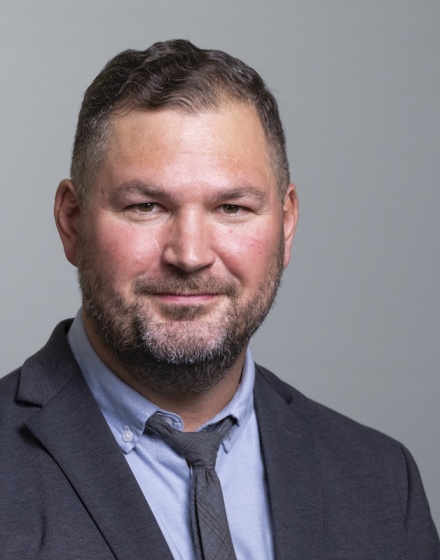
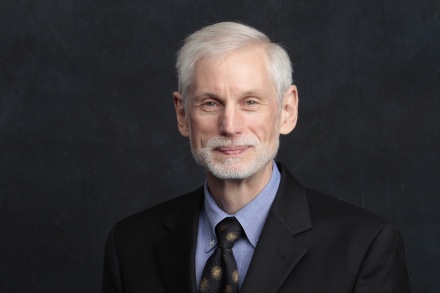
 

Dr. Gennifer Brooks
Ernest and Bernice Styberg Professor of Preaching

We have designed this program to educate faith leaders for wise, courageous, and transformative public ministries in service to God’s loving justice for all peoples and creation.


Dr. Timothy Eberhart
Robert and Marilyn Degler McClean Associate Professor of Ecological Theology and Practice

I am a pastor, therefore a teacher of the faith. I am a teacher of the faith, therefore a teacher in and for the church for the sake of the world. Whether I teach liturgy (my primary area of scholarship), or music, or spirituality, or any other related topic, I do so with these ends in heart and mind.


Dr. E. Byron (Ron) Anderson
Associate Dean of Institutional and Educational Assessment, Ernest and Bernice Styberg Professor of Worship

Dr. Barry E. Bryant

Associate Professor of United Methodist and Wesleyan Studies

Pastoral Theology is inter-disciplinary in nature and therefore requires on-going critical engagement and correlative work with allied disciplines. As a teacher, scholar, and clinician, it is my intention to create an atmosphere of hospitality and curiosity and to encourage religious imagination in spaces of teaching and learning. Profoundly shaped by contemplative pedagogy, the penultimate goal of these teaching practices is to appreciate the complexity of the human condition and its flourishing in all ways and contexts.


Dr. Rolf Nolasco
Rueben P. Job Professor of Spiritual Formation and Pastoral Theology